Why it matters, what trackers, immobilisers and dash cams can and cannot do, and the practical steps you can take today.
Vehicle theft can mean more than losing a car. It can mean disruption to work and family life, insurance complications, unexpected costs and the uncertainty of waiting to find out whether your vehicle will be recovered.
Source: Office for National Statistics, Crime in England and Wales: year ending June 2026. England and Wales figures, not UK-wide.
A visible security measure can act as a deterrent, a professionally installed immobiliser can make unauthorised use more difficult, and a suitable tracking system can help locate a vehicle if it is stolen. No single device guarantees that a vehicle cannot be stolen or will always be recovered.
How can I protect my car?Practical advice on how trackers, immobilisers and dash cams each help, and what they cannot do.
A suitable tracker can help you or the monitoring service establish a vehicle's location, depending on the device, coverage and service arrangement.
Tracking is not a guarantee of recovery. If your car is stolen, contact the police rather than trying to recover it yourself.
Find the Right Tracker for Your CarA suitable immobiliser adds another layer of security by restricting the vehicle from being started or driven without the required authorisation.
No product is theft-proof. We describe exactly what each system does before you buy.
Explore Immobiliser PackagesAfter a collision, drivers can disagree about what happened. A dash cam can capture footage of the road and events around your vehicle, which may help insurers or police assess an incident.
Footage does not automatically prove liability or guarantee a successful claim.
Find Your DashcamIf you own a high-value vehicle, performance car or a model that is frequently targeted by thieves, your insurance provider may require an approved vehicle tracking system as part of your policy.
A tracking system that meets the approval requirements your insurer accepts. Your insurer may specify a tracker type, approval standard or monitoring service, and not every tracker suits every policy.
Some insurers may offer a discount, others may require a tracker before covering certain vehicles. It is never automatic, and depends on your insurer, vehicle and the system fitted.
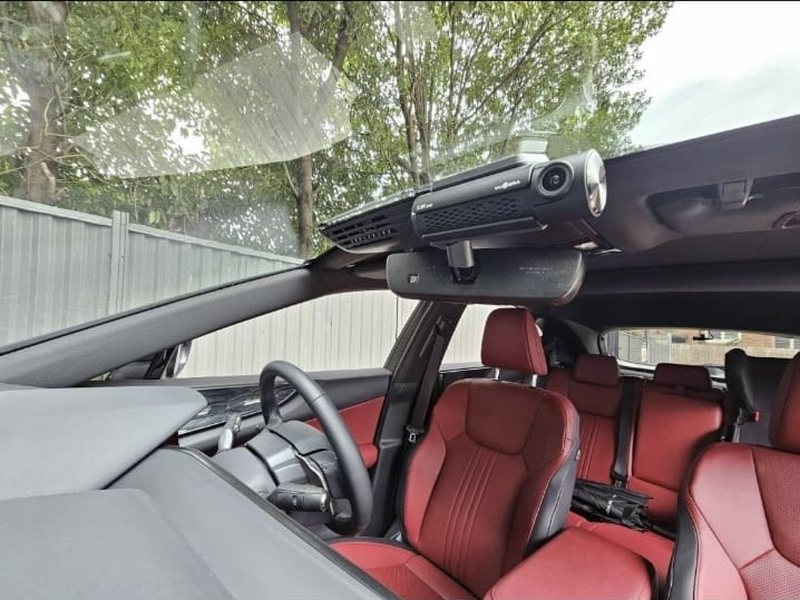
An accident can happen in seconds. Without independent footage, it may be harder to establish exactly what happened, particularly when accounts differ. A dash cam can provide a contemporaneous record of an incident and may help insurers, police or courts assess the evidence.
Conflicting accounts, uncertainty about events and potentially fewer independent details.
A recorded view of events that may help an insurer or investigator assess the incident.
One collision can lead to weeks of calls, paperwork and disagreements. A dash cam cannot prevent every accident, but clear footage may help establish what happened and make the claims process more straightforward.
Footage may also help document suspicious collisions, such as staged crash-for-cash incidents, and protect you against inaccurate accounts. For the latest national road collision figures, see the Department for Transport road casualty statistics.
This is a conceptual comparison, not a promise about the outcome of any individual claim.
Check the tracking technology, coverage, subscription costs and whether it meets any requirements from your insurer.
Consider a suitable immobiliser, keep keys secure and use a steering-wheel lock where appropriate.
Choose front-only or front-and-rear coverage, have it positioned correctly and check that footage is actually being recorded.
Keep keys away from doors and windows, secure spare keys and follow the manufacturer's advice for keyless-entry systems.
Park in well-lit or secure places where possible, lock the car and avoid leaving valuables on display.
Keep insurance details to hand, know how to contact your insurer and learn how to save and export dash cam footage before it is overwritten.
These measures reduce risk but cannot eliminate theft or guarantee recovery.
Factory security is designed to make theft harder, but it is not usually designed to help locate a vehicle once it has gone. A tracker adds location and alert features, and an immobiliser can add a further barrier. What suits you depends on your vehicle and your insurer.
A tracker helps establish where a vehicle is. An immobiliser is there to stop or restrict the vehicle being started or driven without authorisation. They do different jobs and can be fitted together.
No. A tracker can help locate a vehicle, but recovery is never guaranteed. If your car is stolen, contact the police rather than trying to recover it yourself.
It depends on the product. Some trackers include monitoring and an app, others need a subscription. We explain any ongoing cost before you book.
Yes. We fit front-only and front-and-rear dash cams, hardwired neatly out of sight so there are no loose cables.
Footage may help an insurer or the police assess what happened, but it does not automatically prove liability or guarantee a successful claim. Check with your insurer how they treat dash cam evidence. If your camera records audio or captures other people, think about privacy before sharing footage.
Not necessarily. Some insurers require an approved tracker for certain vehicles, and some may offer a discount, but this varies by insurer and policy. Ask your insurer before you buy.
It depends on the product and the vehicle. We confirm the likely time when we confirm your price, before anyone is sent.
We check compatibility for your vehicle before you book, particularly for immobilisers, and tell you if something is not suitable.
Warranty terms depend on the product and are explained before you book. If something is not right after fitting, call or WhatsApp us on 07464 247283.
Explore practical ways to protect your vehicle, record your journeys and prepare for the unexpected.
Trackers · Immobilisers · Dash cams